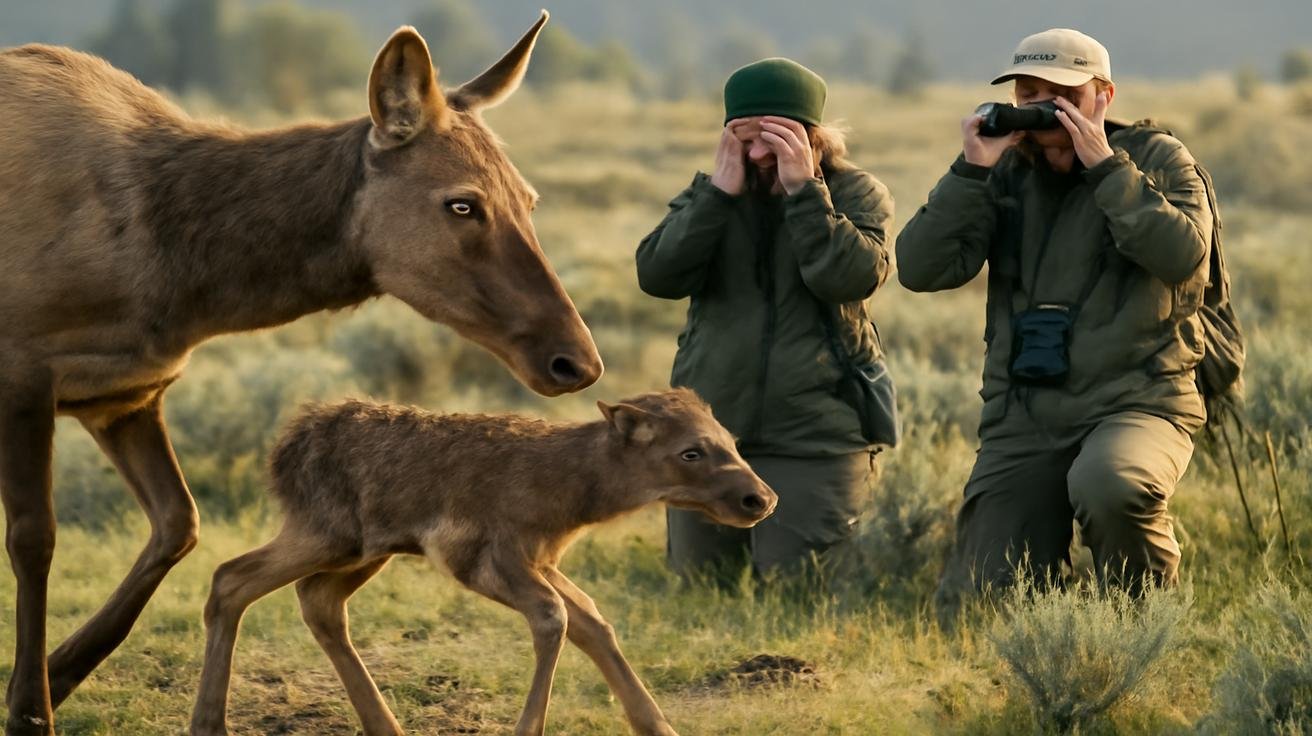
In an extraordinary moment that has amazed scientists and wildlife enthusiasts alike, researchers have confirmed the first recorded birth of a protected animal in the wild after more than 100 years. The discovery has sparked excitement across the global scientific community, as it represents a rare conservation success and a hopeful sign for endangered species around the world.
For decades, experts feared that this animal’s wild population had declined so dramatically that natural reproduction outside protected programs might never occur again. However, the unexpected arrival of a newborn in its natural habitat has changed that narrative and revived optimism about the species’ future.
A Historic Moment for Wildlife Conservation

The birth marks a historic milestone in zoology and wildlife conservation. After more than a century without confirmed wild offspring, scientists had largely believed that the species depended almost entirely on carefully managed breeding programs in captivity.
Field researchers monitoring the habitat recently observed clear evidence of a newborn, including behavioral patterns from the mother and physical signs confirming the presence of a young animal. The discovery was later verified by wildlife experts who had been tracking the population.
The event represents the first successful natural reproduction recorded in the wild in over 100 years, making it one of the most remarkable conservation stories in recent times.
Why This Birth Is So Important

The significance of this birth goes far beyond a single animal. It suggests that the species may be slowly recovering in its natural environment, something conservationists have been working toward for decades.
For many endangered animals, the greatest challenge is not simply survival but rebuilding a stable breeding population in the wild. When a species begins reproducing naturally again, it indicates that conditions in the habitat are improving.
This milestone may mean:
- The ecosystem is becoming more supportive of the species
- Conservation efforts are producing measurable results
- Wild populations could slowly begin to grow again
Decades of Conservation Efforts

The road to this moment has been long and challenging. Conservation programs have spent decades trying to protect the species from threats such as:
- Habitat destruction
- Illegal hunting or poaching
- Climate change impacts
- Human expansion into natural ecosystems
Wildlife organizations, researchers, and governments have worked together to establish protected areas, enforce conservation laws, and raise awareness about the importance of biodiversity.
In many cases, captive breeding programs were introduced to ensure the species did not disappear completely.
How Scientists Confirmed the Birth
Wildlife researchers rely on several methods to confirm the presence of newborn animals in remote habitats. These techniques include:
- Motion-activated camera traps
- GPS tracking of adult animals
- Field observations by trained biologists
- Environmental DNA analysis
In this case, researchers reportedly identified the newborn through a combination of camera footage and direct observation, which provided enough evidence to confirm the rare event.
A Sign of Hope for Endangered Species
Although the birth of a single offspring does not guarantee the long-term survival of the species, it offers a powerful symbol of hope.
Conservation experts believe that continued protection of the habitat and careful monitoring of the population will be essential in the coming years. If the species continues to reproduce naturally in the wild, it could represent a turning point for its recovery.
The event also highlights the importance of global conservation efforts and demonstrates that long-term environmental protection can lead to remarkable outcomes.
What Happens Next?
Scientists will continue monitoring the mother and the newborn to ensure they remain healthy and safe. Protecting the surrounding habitat will also be a priority, as human disturbance could threaten the fragile progress achieved so far.
Researchers hope that this birth could signal the beginning of a new chapter for the species, potentially leading to more natural breeding events in the future.
For zoologists and conservationists, it is a reminder that nature can sometimes recover in ways that once seemed impossible.
FAQ
Why is this birth considered historic?
Because it is the first confirmed wild birth of this protected species in over 100 years, something scientists had not observed for generations.
How did scientists discover the newborn?
Researchers used wildlife monitoring tools such as camera traps and field observations to confirm the presence of the offspring.
Does this mean the species is no longer endangered?
Not necessarily. One birth is encouraging but does not immediately change the species’ conservation status.
Why did it take so long for a wild birth to occur?
Factors like habitat loss, hunting, and low population numbers made natural reproduction extremely difficult for decades.
What happens now for the newborn animal?
Scientists will continue monitoring the area to ensure the safety of the mother and offspring while protecting the surrounding habitat.