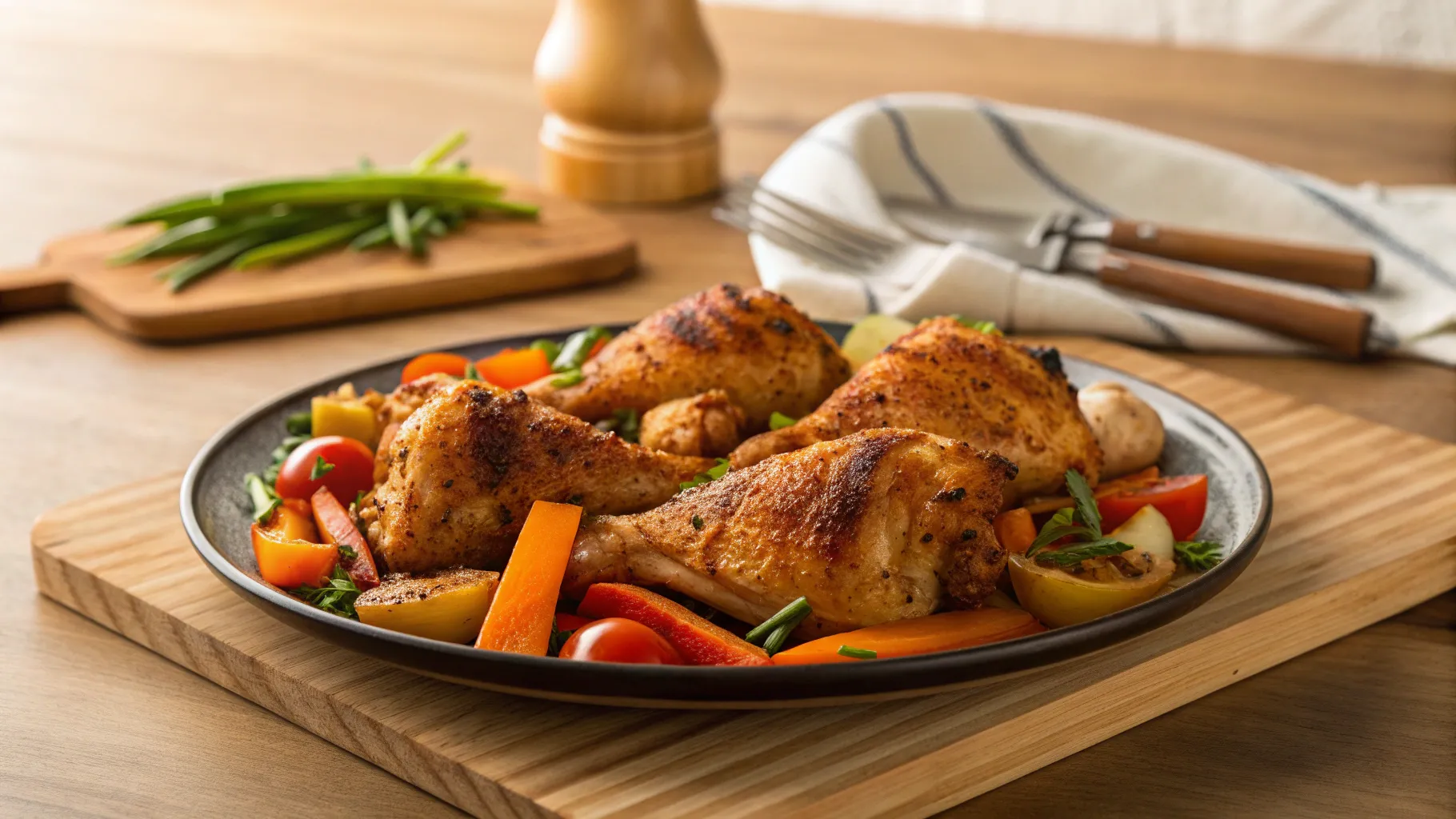
In the modern kitchen, many people rely on quick cooking shortcuts to save time. Whether it’s rushing dinner after a long day or trying to speed up a complicated recipe, shortcuts are tempting. However, food experts say one of the most common habits in home kitchens often backfires and leads to poor cooking results.
The shortcut? Turning the heat too high to cook food faster.

While it may seem logical, culinary professionals warn that this method can ruin the flavor, texture, and even the safety of your meal. Understanding why this shortcut fails—and learning the best method instead—can dramatically improve your cooking results.
The Common Cooking Shortcut That Causes Problems
Many home cooks believe that higher heat equals faster cooking. As a result, they increase the stove or oven temperature hoping the dish will be ready sooner.
But food experts explain that cooking doesn’t work that way.

When heat is too high:
- The outside of the food cooks much faster than the inside
- Moisture evaporates too quickly
- Ingredients may burn before they are fully cooked
This leads to meals that look done on the outside but are raw, tough, or dry on the inside.
Why This Shortcut Often Backfires
Professional chefs and food scientists highlight several reasons why excessive heat can ruin a dish.
Uneven Cooking

High temperatures cause the exterior of food to cook rapidly while the interior remains undercooked. This is particularly common with thick cuts of meat, baked dishes, and casseroles.
Loss of Moisture
Fast, intense heat pulls moisture out of food. Meat becomes dry, vegetables lose their natural sweetness, and sauces may separate.
Burnt Flavor
Instead of creating a delicious golden crust, extremely high heat can quickly burn ingredients, producing a bitter taste.
Food Safety Concerns
If the center of food does not reach a safe internal temperature, harmful bacteria may survive. This is especially risky when cooking poultry, seafood, or ground meat.
The Best Cooking Method Experts Recommend
Instead of turning up the heat, food experts recommend a moderate, controlled cooking approach.
The best method involves gradual heat and proper timing.
Step 1: Use Medium Heat First
Start cooking most foods on medium or medium-high heat rather than maximum heat. This allows ingredients to cook evenly.
Step 2: Preheat Properly
Always allow your pan or oven to reach the correct temperature before adding food. Proper preheating ensures consistent cooking.
Step 3: Sear, Then Reduce Heat
For meats, chefs often recommend a technique where you briefly sear the surface for flavor, then reduce the heat to finish cooking slowly.
Step 4: Give Food Time
Many dishes develop better flavor when cooked slowly. Stews, roasted vegetables, and sauces benefit greatly from gradual cooking.
Step 5: Use a Food Thermometer
Checking internal temperature helps ensure food is cooked safely without overcooking it.
Additional Tips for Better Cooking Results
Food professionals also recommend a few simple habits that can improve your meals without adding extra time.
- Avoid overcrowding the pan
- Cut ingredients into similar sizes for even cooking
- Use the right cookware for the recipe
- Follow recommended cooking temperatures
These small adjustments can make a major difference in both taste and texture.
Why Patience Is the Secret to Great Cooking
Many experienced chefs agree that good cooking is about balance and patience, not speed. Recipes are designed with specific temperatures and cooking times to help ingredients release their best flavors.
By resisting the urge to rush a recipe, home cooks often discover that their meals taste better, look better, and cook more evenly.
The Bottom Line
The common shortcut of turning up the heat to cook faster often leads to burnt exteriors, undercooked interiors, and dry food. While it may seem like a time saver, it frequently produces disappointing results.
Food experts recommend using moderate heat, proper preheating, and controlled cooking methods instead. These simple techniques help create meals that are flavorful, evenly cooked, and safe to eat.
Why shouldn’t I cook food on very high heat?
High heat can burn the outside of food while leaving the inside undercooked, resulting in uneven texture and poor flavor.
What is the best temperature for most cooking?
Medium to medium-high heat works best for many dishes because it allows food to cook evenly without burning.
Is slow cooking better for flavor?
Yes. Many foods develop deeper flavors when cooked gradually because ingredients have more time to release their natural aromas.
How can I make cooking faster without ruining the dish?
Prepare ingredients ahead of time, preheat your cookware properly, and follow recommended temperatures instead of rushing with high heat.
Do professional chefs cook on high heat?
Chefs sometimes use high heat for specific techniques like searing, but they usually reduce the temperature afterward to finish cooking properly.